

Honouring South Africa’s Women’s Day Legacy


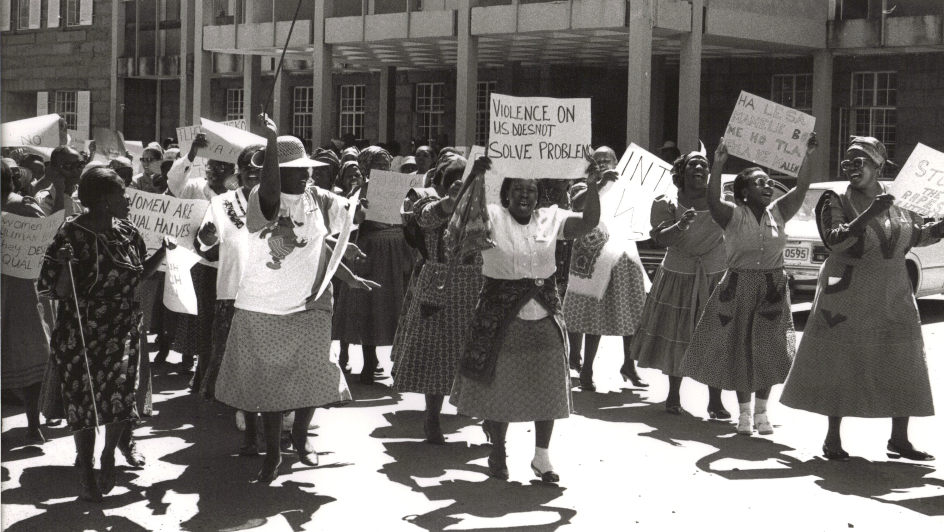
On 9 August 1956, over 20 000 women of all races marched to the Union Buildings in Pretoria, Gauteng, to protest repressive apartheid pass laws.
Organised by the Federation of South African Women, who declared a woman’s place to be “everywhere”, demonstrators submitted petitions to the prime minister’s secretary. Prominent activists including Lilian Ngoyi, Helen Joseph, Rahima Moosa, Sophia Williams-De Bruyn, and Dora Tamana led the stand.
Challenging unjust laws, the marchers sang a freedom song that gave rise to the enduring phrase credited to South African women: “wathint’ abafazi, wathint’ imbokodo” (“You Strike a Woman, You Strike a Rock”).
Although the state ignored their demands, the demonstration became a milestone of resistance. Following the transition to democracy, the date became an official public holiday, first celebrated in 1995.
Today, National Women’s Day anchors a broader National Women’s Month each August. Events feature prominent female speakers addressing both historical struggles and contemporary challenges, such as gender-based violence.
Commemorated under the theme “Empowered Women Empower The Nation”, the holiday continues to promote gender equality, social justice, and women’s empowerment across the nation.
Image Credit: Source