


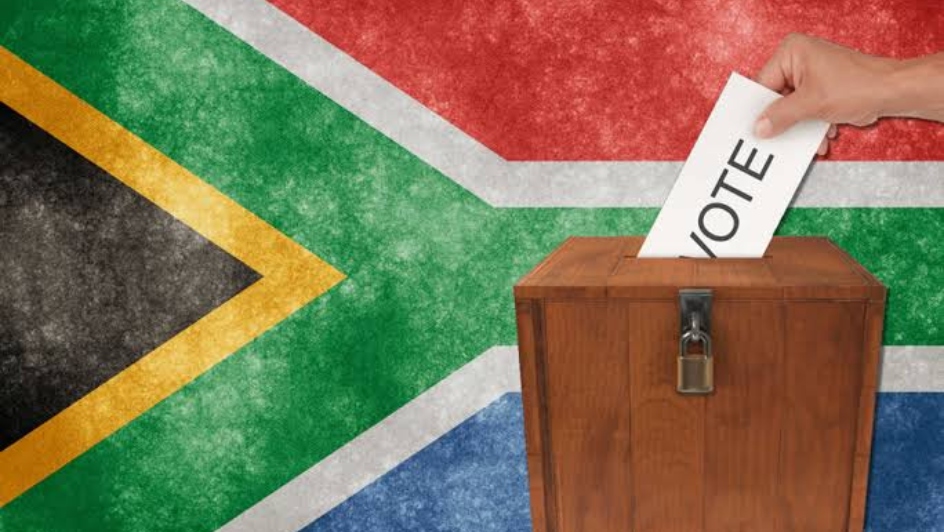
South Africa’s Local Polls: Coalitions and Governance


South Africa is approaching its municipal elections on Wednesday, 4 November, amidst worsening voter apathy, severe service delivery shortages, and unprecedented political fragmentation.
Long-standing governing majorities have eroded across key metropolitan centres, including Johannesburg, Tshwane, and Ekurhuleni. As traditional party dominance declines, incoming administrations must rely on unstable multi-party pacts and minor kingmaker organisations to establish viable local councils.
To prevent disruption during this high-stakes ballot, security authorities have enforced strict operational measures. Demonstrations, marches, and political campaigning are strictly prohibited on voting day itself.
Intelligence-led law enforcement deployments have been established nationwide across all provinces to safeguard voting stations, election personnel, and citizens against unlawful obstruction.
Beyond concluding political campaigns, establishing working alliances, and tabulating final ballots, incoming municipal representatives face substantial administrative obligations.
Councils across the country confront severe operational challenges once elections conclude, including repairing deteriorating water and electrical networks, balancing constrained municipal budgets, and restoring basic service delivery to frustrated local communities across all nine provinces.
Image Credit: Source