

Ceuta Crisis: Human Toll and Misinformation


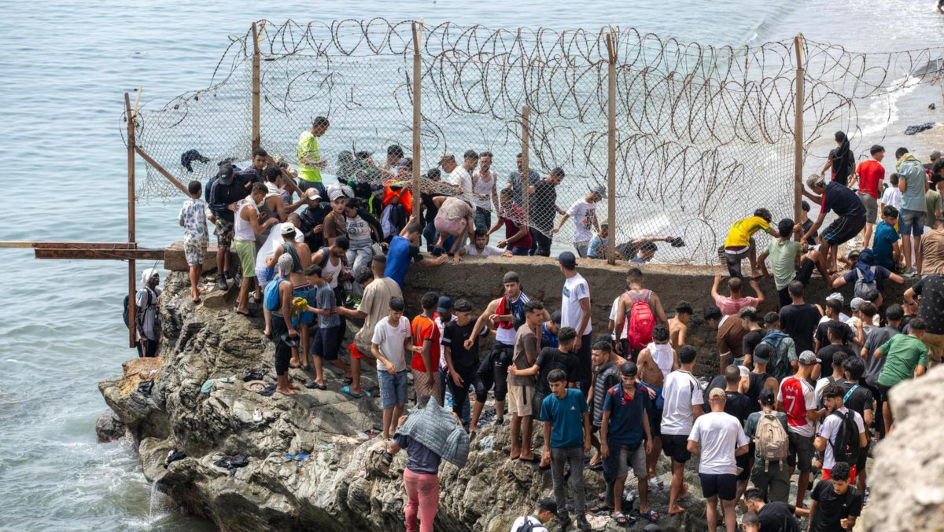
Up to 69 500 migrants, predominantly young men, crossed the border into Ceuta, Spain, after being misled by online misinformation, human trafficking networks, and legal misinterpretations.
Most of the people have returned to Morocco, but thousands briefly entered the exclave, while others remained in the surrounding areas.
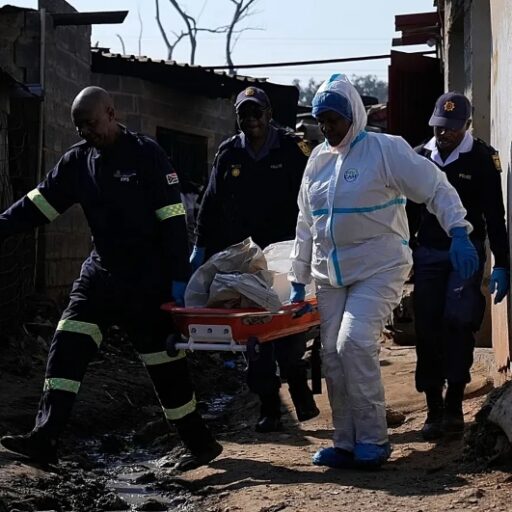
Tragically, at least 72 people died on the Spanish side and 11 on the Moroccan side, mainly from drowning and stampedes near water barriers. Critics highlighted how political discourse often prioritized border security over human lives, viewing migrants through distance footage as an indistinguishable mass rather than individuals.
Returning migrants reported that border controls appeared effectively open, with authorities doing little to halt the initial rush. Local waiter Mohamad Abdelkader Driss stated: “It’s not the young men’s fault. If you open the border, of course everyone comes in, but the young men aren’t to blame. The authorities are responsible.”
While political figures portrayed the movement as a threat, others argued mass human movement should be seen as an inevitable reality rather than an existential crisis. Meanwhile, Morocco continues efforts with European partners to manage borders and counter illegal smuggling networks.
Image Credit: Source