

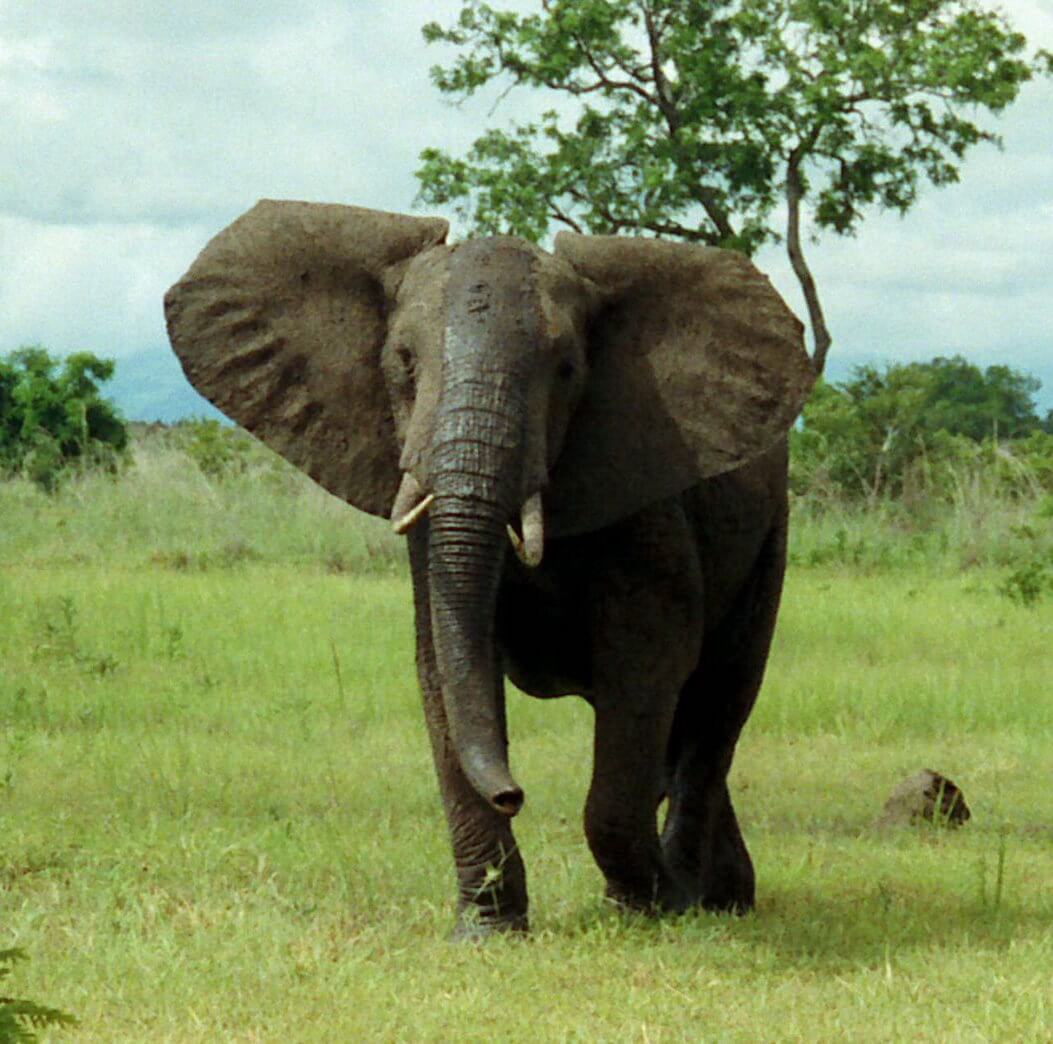
Zimbabwe Sells Elephants to China


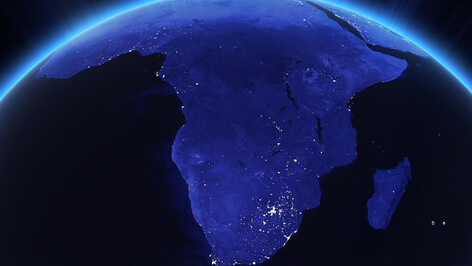
Yesterday, almost two weeks after the fact, Zim’s wildlife agency has revealed that it sold and flew 35 elephants to China on 23 December 2016.
This sale was claimed by the wildlife agency as a necessary means to mitigate elephant overpopulation and to raise much-needed funds for conservation. Scores of animal welfare groups are not convinced and, regardless of reasoning, have criticised the sales as unethical.
According to the Zimbabwean government, the country’s ongoing economic fall is the reason for the sales. It has said that the funds will go towards conservation and supporting the people.
Much of the criticism surrounding the elephant sales relates to the complete lack of transparency regarding the details of the transaction. Activists have been particularly concerned about the age of the elephants that were sold. When questioned on this, the wildlife agency refused to confirm whether the elephants were adult.
Johnny Rodrigues, of the Zimbabwe Conservation Task Force, expressed his scepticism:
“Why is it done clandestinely and then announced two weeks later? Because we know that at times calves have been taken away from their mothers, conditions have been atrocious and the money, no one really knows how it is used”.
The 35 elephants are said to have been captured from Hwange National Park and transported via aeroplane to China’s Shanghai Exhibition Park, Beijing Wildlife Park and Hangzhou Wildlife Park. According to the agency, they followed international regulations during the sale. They also mentioned that they had previously sold other animals to Europe and the United States.
The Zimbabwe Parks and Wildlife Management Authority said it was “turning to friendly countries to extract value out of our wildlife,” however, no mention of the amount received nor the specific intended use of the funds was made.
Not only do Zim wish to continuing reaping the financial benefits of selling the country’s native animals, but since the sale ban on Zim’s ivory stockpile ended in 2016, the government is now looking for ways to sell this for millions of dollars – China being their most sought-after buyer.