

Troubles Plague Kenya’s New Election


Kenya’s ability to hold a successful presidential election is in doubt. As the vote looms on 17 October, reports are mounting of technological issues, infighting, and death threats.
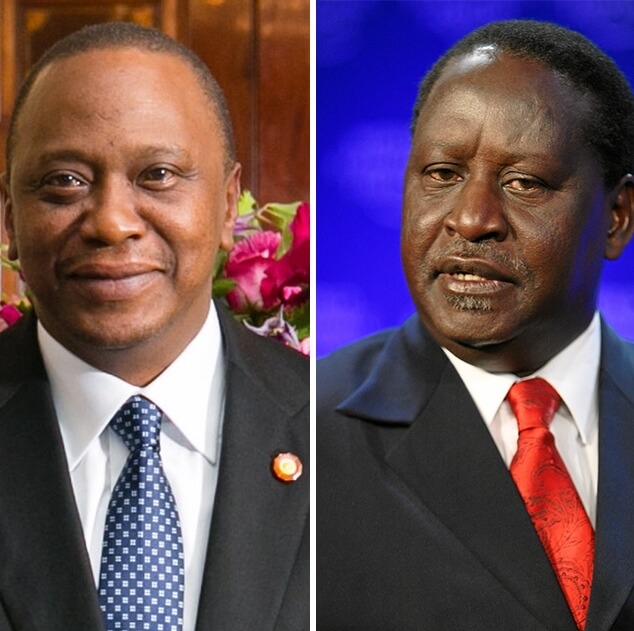
The election is a rerun of this year’s 8 August ballot, in which sitting president Uhuru Kenyatta won the vote. The result was nullified by Kenya’s Supreme Court due to irregularities.
Earlier this month, Kenya’s Independent Electoral and Boundaries Commission (IEBC) set the new date for October, but problems have plagued the process.
The French company, OT-Morpho, that provides the polling technology has said that the equipment will not be ready in time. In a letter to the IEBC, they said that they need to reinstall the electronic voting systems, which is “a very significant amount of work which cannot be secured by 17 October”.
According to a spokesperson, the IEBC is aware of the problem, but “changing the date [of the election rerun] is a last resort strategy”.
Kenya’s opposition has also threatened to boycott the election if their list of demands is not met. Their requirements include a major overhaul in the leadership of the IEBC, over corruption allegations.
President Kenyatta has insisted that the elections should go ahead and has accused the opposition of trying to block the vote to force a coalition government.
A number of IEBC members have received death threats. The relatives of one administrator have fled the country, and chairman Wafula Chebukati has increased security for his family.
A top official who received death threats ahead of August’s election was found tortured and murdered just days before the vote.
Kenyatta’s win was originally challenged by opposition leader, Raila Odinga, who claimed that the election servers had been hacked. Odinga’s allegations set off a wave of riots which resulted in the deaths of at least 25 people.