

New Zipper Concept Unveiled After 4 Decades of Shelving


In 1985, an electrical engineer by the name of William Freeman patented an unusual and innovative zipper, but his proposal fell on deaf ears so he stored it in his garage. Now, his idea has found new supporters and is being turned into reality.
The triangular zipper, capable of going from flexible to rigid in a matter of seconds, recently caught the attention of scientists at the Computer Science and Artificial Intelligence Laboratory (CSAIL) at the Massachusetts Institute of Technology (MIT) and the team is now bringing the invention to life through 3D printing and automated design software.
Led by postdoc Jiaji Li, the CSAIL team developed the “Y-zipper,” a fastener that enables objects to achieve “tunable stiffness.” When unzipped, the device behaves like three flexible tentacles that can be easily rolled or folded. When drawn together by a custom slider, the interlocking strips transform into a rigid, load-bearing structure such as a rod, arch or coil.
Stress tests using common 3D-printing plastics revealed that the Y-zipper handled heavy loads effectively, while providing superior pliability. The structures proved remarkably durable, enduring 18 000 zipping cycles before snapping due to an elastic design that distributes stress efficiently.
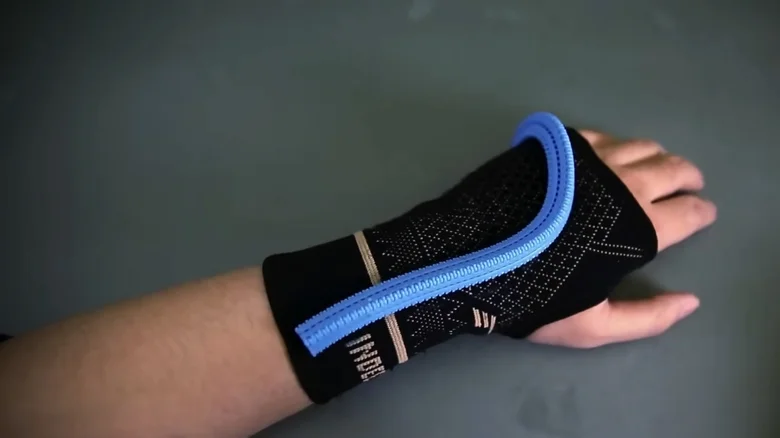
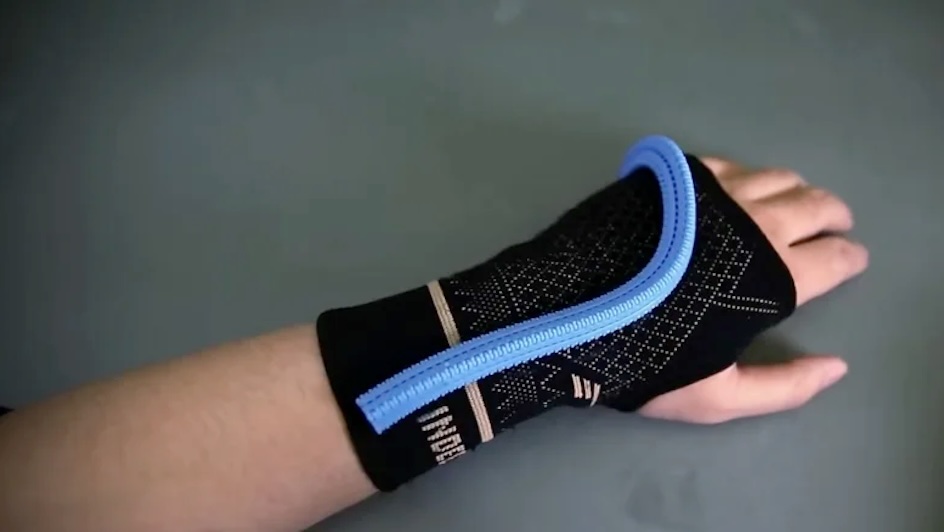
The researchers have successfully demonstrated several practical applications: Y-zippers can form rapid-assembly tent frames that pop into place without traditional poles, serve as medical casts that stay flexible by day but lock rigidly at night, and act as adaptive robotic limbs that dynamically change length to navigate uneven terrain.
The team hopes to expand the project using stronger materials like metal for large-scale engineering and space exploration.
Image Credit: Source