

Myanmar’s Ethnic Cleansing Crisis


UN Secretary General Antonio Guterres has described the violence against the Rohingya in the Southeast Asian nation of Myanmar as “ethnic cleansing” and a “humanitarian catastrophe”.
The UN Security Council has condemned the ongoing violence, which has left thousands of civilians dead, and forced nearly 380 000 Rohingyas to flee to Bangladesh.
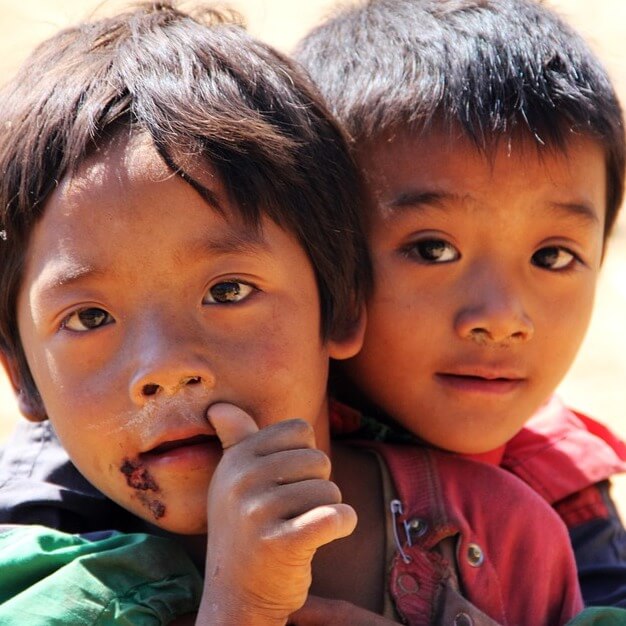
The Rohingya are a Muslim minority living in Rakhine state, Myanmar. The Myanmar government has refused to recognise them as an ethnic group of their country, and they are considered “stateless entities”.
This means the Rohingya are not afforded legal protection by the government, which has left them vulnerable to widespread discrimination and hostility from the Buddhist majority.
The latest crisis began when the Arakan Rohingya Salvation Army (ARSA) attacked security posts along the Bangladesh-Myanmar border in October last year. In response, Myanmar security forces launched a military campaign to crush the insurgency.
The ARSA claims that it wants to create a democratic Muslim state for the Rohingya, while the Myanmar government declared them a terrorist group in August this year.
Since October of last year, authorities have been carrying out what they describe as “clearance operations” to root out insurgents.
According to eyewitness accounts and photographs, security forces have engaged in widespread human rights violations, including rape, torture, infanticide and the massacre of civilians.
Leader of Myanmar, Aung San Suu Kyi, has faced worldwide criticism for her downplayed response to the crisis and her lack of action.
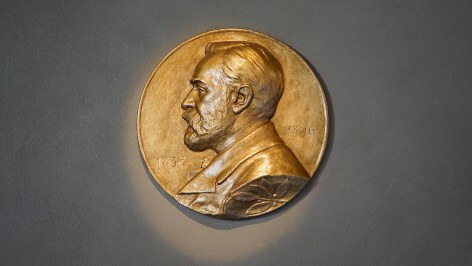
Suu Kyi, a Nobel Peace Prize winner for her work to overthrow the previous military government, has dismissed media reports of the genocide as “fake news” and the “tip of a huge iceberg of misinformation”.
“We know very well, more than most, what it means to be deprived of human rights and democratic protection… So we make sure that all the people in our country are entitled to protection of their rights as well as, the right to, and not just political but social and humanitarian defense,” Suu Kyi said.
Suu Kyi is set to miss a key debate next week in the UN General Assembly, but will address her nation via television on 19 September. Officials have said that she will speak for “reconciliation and peace”.
This is the first time since 1989 that a UN chief has publicly voiced concerns about a crisis in his official capacity.