

How AI Is Accelerating the Search for Medical Cures


Artificial Intelligence (AI) is fundamentally reshaping modern medicine, enabling scientists to engineer new treatments intentionally. By combining computational power with synthetic biology, researchers are tackling diseases once deemed untreatable.
At MIT, Professor James Collins utilised generative models to evaluate millions of molecular structures, discovering vital new defences against drug-resistant pathogens. Regarding the necessity of interdisciplinary teamwork, Collins stated: “Collaboration has been central to the work in my lab.”
This method produced NG1, a specialised lead designed to eliminate resistant gonorrhoea while protecting beneficial bacteria.
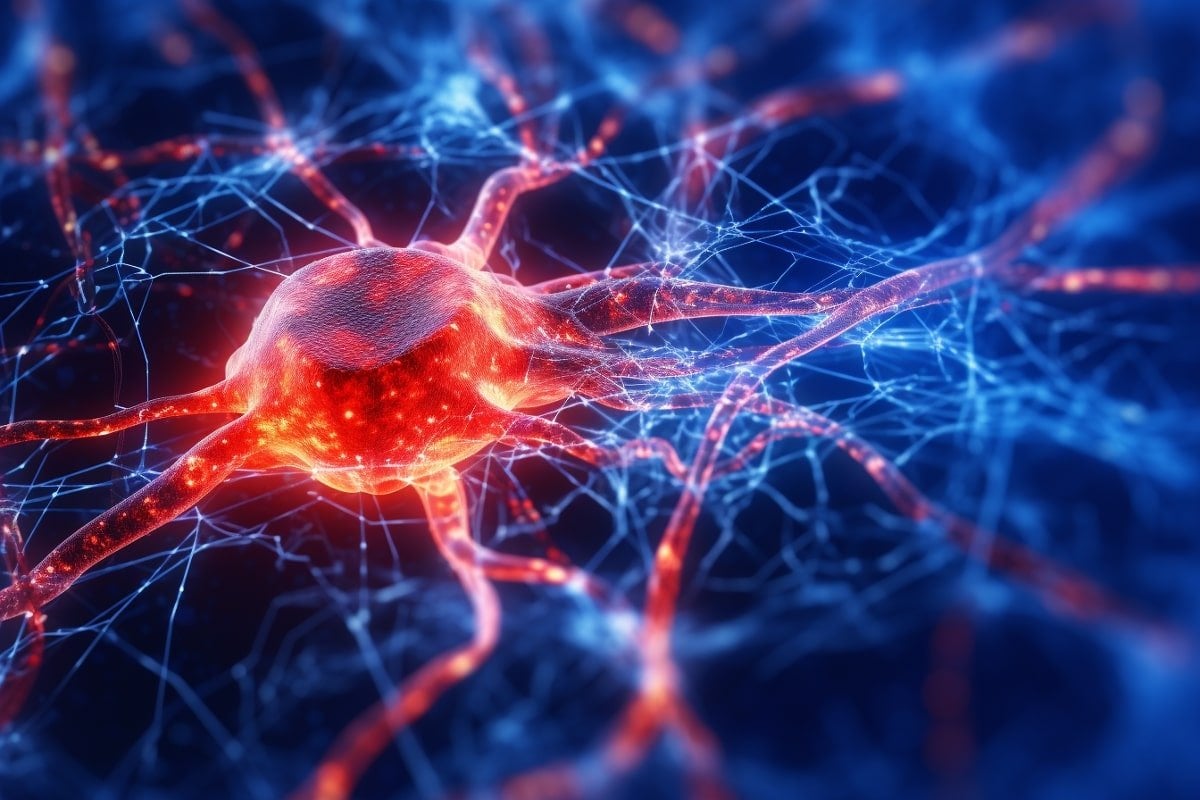
AI is also making strides in neurodegeneration. Researchers can now scan billions of molecules to find those capable of binding to protein clumps in the brain. While a systematic review found AI effective at diagnosing cognitive and sleep issues, it noted a lack of data regarding depression.
This technological shift is bridging the gap between laboratory concepts and clinical realities for rare and complex conditions.
Image Credit: Source