

Fingertip Tech Enables Virtual Touch Panels


Augmented Reality (AR) and Mixed Reality (MR) users have long struggled with the limitations of the technology. While typing on a floating virtual keyboard looks futuristic, it often leads to arm fatigue and lacks the satisfying tactile feedback of a physical surface.
Now, researchers at Tohoku University in Japan have developed an innovative solution that transforms any ordinary surface, like a desk or wall, into a high-precision touch panel with the aid of Artificial Intelligence (AI).
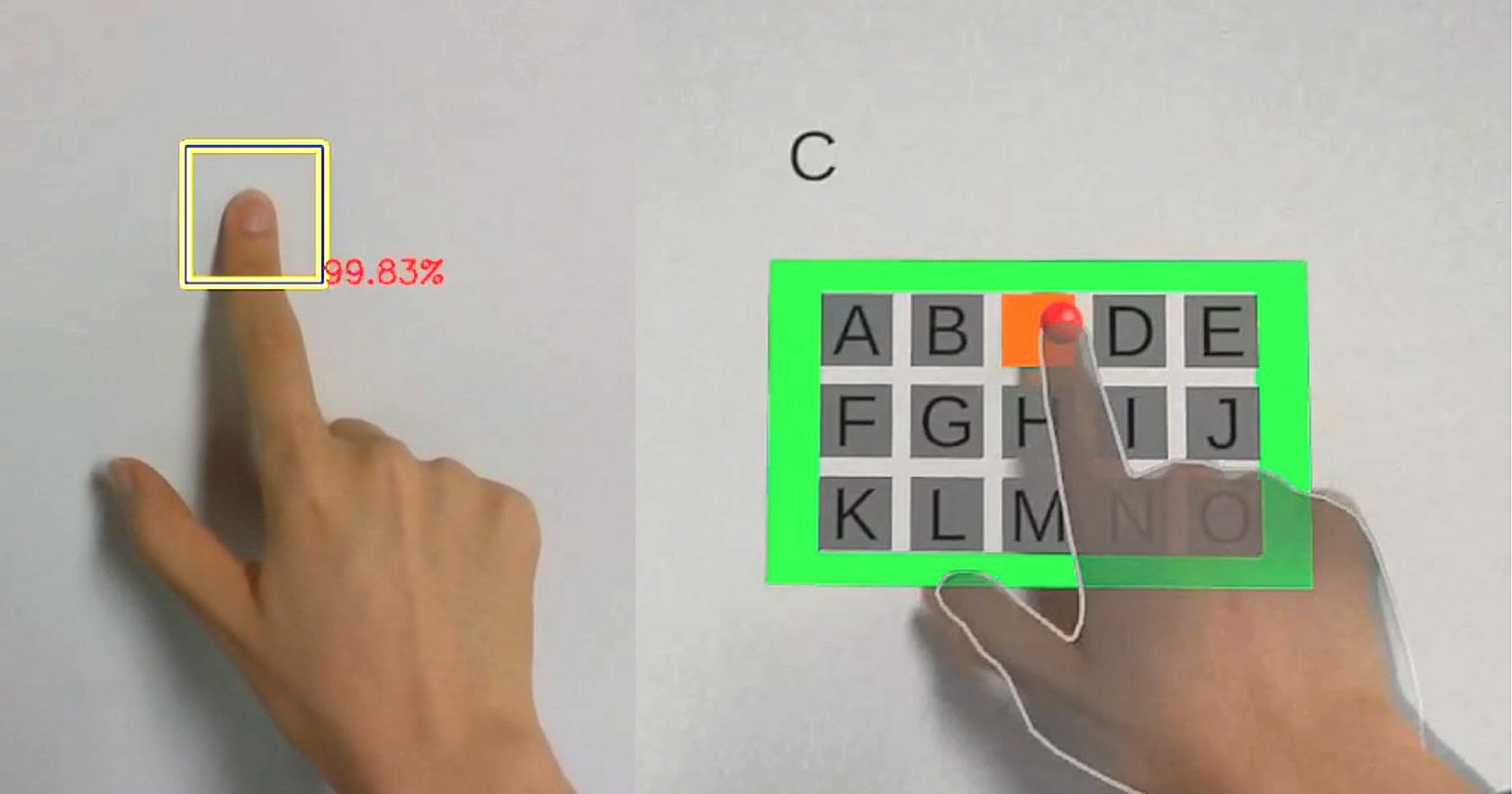
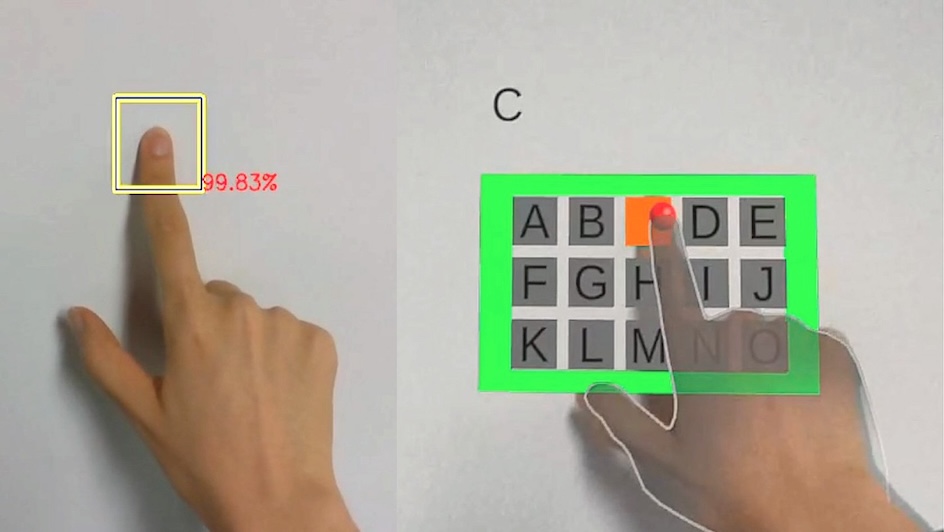
The technology relies on a natural biological response known as the blanching phenomenon: when you press your fingertip against a hard surface, the blood is pushed away, causing the skin to momentarily flush white. By utilising a headset’s existing hand-tracking camera, the system uses AI-based algorithms to detect these colour changes in real-time.
When the AI identifies blanching, it calculates exactly where and when the fingertip has made contact relative to a virtual interface projected onto that surface. Unlike previous methods, this system requires no handheld controllers, sensor-equipped gloves, or external markers.
“This research means that ordinary surfaces all around us – walls, desks, or partitions – can be used as a touch input area,” says study lead author Guanghan Zhao.
The team’s findings confirmed that the system is stable across various materials and allows users to rest their hands on the surface, significantly improving comfort. By removing the need for specialised hardware, this blanching detection could pave the way for wider everyday adoption of AR technologies.
Image Credit: Source