

The Fall of Jammeh and the Rise of a New Gambia


As tensions built in The Gambia today, we take a look at what has happened, politically, over the past month and a half. We also give some of the biggest and latest updates from citizens and reporters across the small West African country.
On 1 December 2016, Gambian citizens voted for their new president. The candidates included Yahya Jammeh, who assumed office in 1994 and has ruled since, and Adama Barrow, of the opposition, the United Democratic Party.
The following day, the population rejoices as Jammeh concedes defeat to Adama Barrow on his “clear victory”. Days later, on 5 December, opposition members jailed for protesting against Jammeh are released on bail.
The next day, the electoral commission claims that Barrow’s landslide win was not exactly accurate and that he only won by 3.6%.
Shortly after, on 9 December, Jammeh makes the following statement: “In the same way that I accepted the results faithfully believing that the Independent Electoral Commission was independent and honest and reliable, I hereby reject the results in totality.”
Jammeh then lodges an appeal with the Supreme Court to repudiate the results, which triggers worldwide concern. The UN Security Council along with heads of state from the Economic Community of West African States (ECOWAS) demand that Jammeh acknowledge defeat.
On 31 December, Jammeh accuses ECOWAS of having declared war.
The new year begins with Jammeh firing 12 ambassadors, who asked him to hand over the presidency. Around the same time, various ministers are fired or resign.
On 10 January, the Supreme Court announces a significant delay in Jammeh’s legal challenge. Days later the African Union warn Jammeh that, of 19 January 2017, they will not recognise him. Gambians across the country begin to flee to Senegal in fear on the building unrest.
This past Sunday, 15 January, Senegalese President Macky Sall agrees to “welcome Gambian president-elect Adama Barrow in Dakar until his inauguration”. On Monday, Gambia’s most respected judge refuses to hear Jammeh’s plea to halt Barrow’s inauguration.
The very next day, on 17 January, Jammeh declares a state of emergency, claiming an “unwarranted hostile atmosphere, threatening the sovereignty, peace, security and stability of the country”. Citizens continue to leave the country by any means possible.
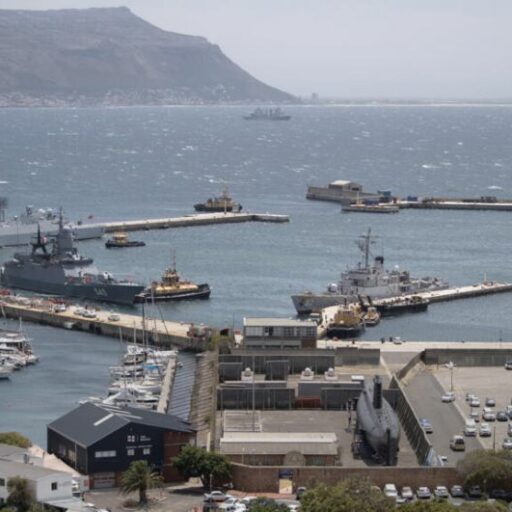
Yesterday, 18 January, Gambia’s vice-president, Isatou Njie-Saidy resigns, Nigeria sends a warship towards Gambia, and the Senegalese army confirms that it is ready to intervene should the crisis continue.
Yesterday, and this morning, saw hundreds of tourists heading back to their homelands on specially organised flights. Scores of citizens alike, spent the morning scrambling to cross the border.
Today, updates of the situation have flooded news channels and social media. Read on for some of the main highlights:
- In the early hours of 19 January, President-elect, Adama Barrow takes to Twitter: “My dearest Gambians — the presidency of Yahya Jammeh is officially over. The new era of Gambia is here at last. #NewGambia”
- Citizens and reporters recount the eerie silence that rules the usually chaotic streets of Serekunda City Centre. The market place is deserted, shops are closed, stalls stand abandoned, and trepidation fills the air.
- Ghana deploys 205 ground troops to join the ECOWAS military force.
- Botswana Government no longer recognises Mr. Jammeh and releases this statement: “Mr Jammeh’s decision not to respect the will of the Gambian people undermines the ongoing efforts to consolidate democracy and good governance in The Gambia and Africa as a whole.”
- President-elect, Adama Barrow tweets: “You are all welcome to my inauguration today 4pm at The #Gambian embassy in #Dakar.”
- The UN Security Council prepares to vote on endorsing the ECOWAS in its intervention to ensure a transfer of power to Barrow.
- Reports surface that Jammeh’s wife of 17 years, Zeinab Suma Jammeh, and his children have fled The Gambia.
- Speculation about the unknown whereabouts of Yahya Jammeh indicate he may have gone into hiding.
- A media frenzy ensues as Barrow arrives in Senegal for his inauguration.
- At 19:00, Adama Barrow is sworn in and becomes the first new president of Gambia in 22 years. He gains the power to authorise the ECOWAS intervention to oust Jammeh.