

Central African Republic Ceasefire Fails


Approximately 50 people were killed in a violent outbreak yesterday in the Central African Republic (CAR), one day after a ceasefire deal was signed.
The CAR government and armed groups signed a peace accord in Rome on Monday, 19 June, that included an immediate ceasefire as well as political reform measures. Civilians were given hope of an end to the conflict that has taken thousands of lives and resulted in unmentionable suffering.
On March 30, 2016, former CAR prime minister, Faustin-Archange Touadéra, became president. Despite the unexpected peaceful transition, political instability in the country remains and serious human rights violations continue to occur.
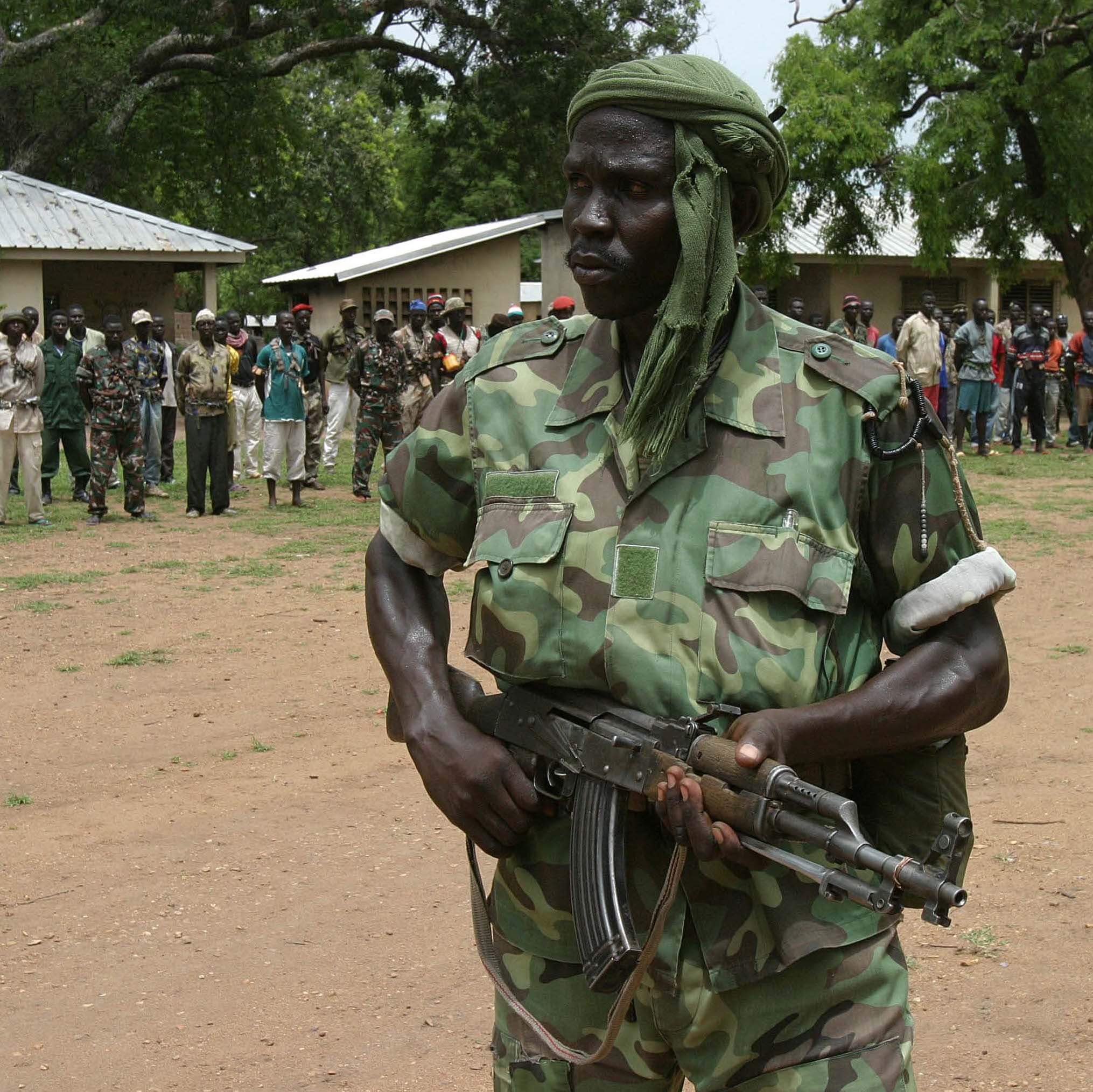
Since 2013, sectarian violence has reigned across the country, with civilians bearing the brunt of the conflict between Muslim Seleka rebel groups, the largely Christian Anti-balaka militias, and other armed groups.
The violence yesterday occurred in the central town of Bria, north east of the capital, Bangui. Town mayor, Maurice Belikoussou, described a gruesome scene where bodies lay in the streets.
The conflict was reportedly between Anti-balaka militias and ex-Seleka fighters. According to Doctors without Borders, they had already received 35 wounded people by 9:30 that morning.
Approximately 460 000 people have taken refuge in neighbouring countries, while an estimated 380 000 remain displaced internally.
In April 2014, UN peacekeeping mission, MINUSCA, was mandated to protect civilians in CAR. The mission deployed over 10 000 peacekeepers and 2000 police in 2016 but has failed to establish the security needed to protect the people of CAR.
This is not the first time that peace initiatives have failed to bring peace to the country.