

Angola Set for Political Change


The People’s Movement for the Liberation of Angola (MPLA), the ruling party in Angola, has essentially claimed a widely anticipated national election victory and the political scene is set for a change in leadership.
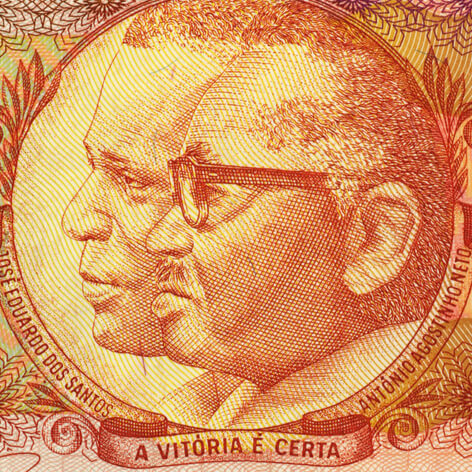
While the MPLA has not lost the vote for since 1992, there is one significant and surprising change that is set to occur. For the first time in almost four decades, current president, Jose Eduardo dos Santos, did not stand as a presidential candidate.
The MPLA confirmed that Defence Minister Joao Lourenco is set to replace the 74-year-old president and end the cold war veteran’s 38-years of authoritarian rule.
Lourenco has a reputation for possessing strong moral principles and promised voters he would crack down on corruption.
Corruption is rife within the Angolan government and while Lourenco is a welcomes change and source of hope for many, real political change is likely to be neither swift nor easy.
Sources say that the current president, who is in poor health, will still exert significant influence as party leader, especially while billions of dollars of Angolan businesses lie in the hands of dos Santos’ children.
On Angola’s political future, Julia Westbury, Africa analyst at West Sands Advisory, a UK-based consultancy said:
“Even if he wanted to, Lourenço may find it difficult to free himself from the Dos Santos. Large-scale political change is unlikely and long-awaited democratic reforms needed to turn around Angola’s struggling economy unlikely to materialise”.
With 98% of the votes from Wednesday’s election having been counted, and with 61% in their favour, the MPLA has all but won the vote with two-thirds parliamentary majority.
According to Julia Ferreira, a spokeswoman for the National Electoral Commission, the MPLA has four million votes, compared to main opposition,National Union for the Total Independence of Angola (UNITA), who has 1.8 million votes.
The official announcement will only be made in approximately two weeks’ time.